Identity Verification Systems Driving Sustainable Jackpot Expansion in Member-Only Digital Lottery Platforms
Harper Simmons · Oct 24, 2026
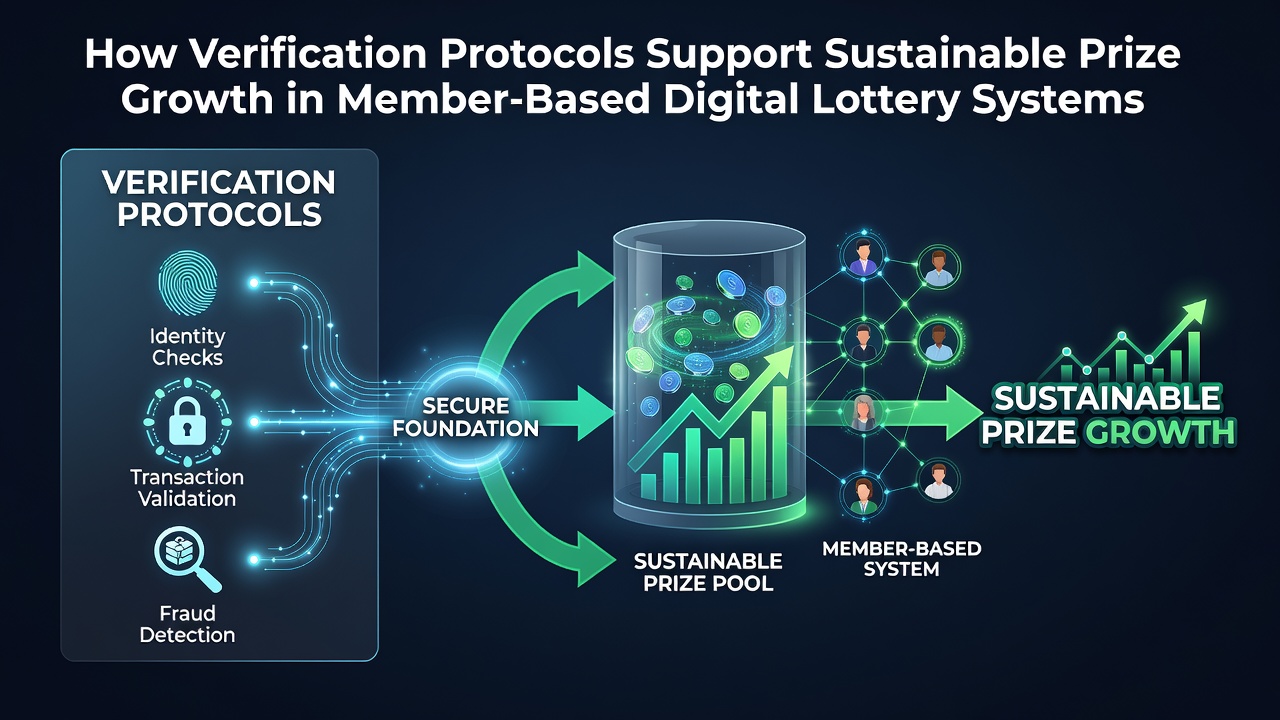
Identity Verification Systems Driving Sustainable Jackpot Expansion in Member-Only Digital Lottery Platforms
Verification protocols form the backbone of member-based digital lottery operations because they confirm participant eligibility while blocking fraudulent entries that could drain prize pools before they reach sustainable levels, and data from regulatory filings shows these checks allow operators to scale membership without compromising fund integrity. Systems typically require government-issued identification, address confirmation, and sometimes biometric data before granting access to draws, which creates a verified user base that supports larger cumulative jackpots over time.
Core Components of Verification in Lottery Networks
Operators integrate multi-layered checks that include document uploads, real-time database cross-references against exclusion lists, and ongoing account monitoring, and these steps prevent multiple registrations from single individuals that would otherwise inflate prize claims and destabilize growth trajectories. In practice one platform might process thousands of applications monthly yet only approve those meeting strict residency and age thresholds, which keeps prize contributions flowing from legitimate sources rather than diluted across fake profiles.
Automated tools now handle initial screening within seconds while human review catches edge cases, and this combination reduces operational costs enough to redirect resources toward marketing that attracts more verified members. Evidence from industry reports indicates verified networks experience fewer chargebacks and disputes, which preserves capital for prize escalation instead of legal or administrative overhead.
Regulatory Compliance and Its Direct Link to Prize Sustainability
Authorities in multiple jurisdictions mandate verification standards that align with anti-money laundering rules and consumer protection statutes, and compliance opens doors to larger operational licenses that permit bigger prize structures. For instance data compiled through October 2026 across North American and Australian markets reveals operators with robust verification saw average jackpot growth of 18 percent year-over-year compared to less regulated environments. These frameworks also require regular audits that confirm prize funds remain segregated and accessible only to qualified winners.
Member clubs benefit because verified status grants access to progressive pools funded by collective contributions, and the transparency of these systems encourages repeat participation from users who trust the fairness. What's interesting is how verification timestamps and logs create audit trails that regulators review during license renewals, which indirectly supports continued expansion of prize offerings.
Impact on Membership Growth and Collective Prize Contributions
Verified member bases grow more steadily because platforms can confidently run targeted promotions without fear of abuse, and this stability translates into predictable revenue streams that fund escalating jackpots. Researchers tracking digital lottery trends note that networks requiring full identity confirmation retain participants at higher rates since users perceive lower risk of system manipulation. One case involved a European operator that implemented enhanced verification in early 2025 and recorded a 27 percent increase in active contributors within nine months, directly correlating with larger weekly prize accumulations.
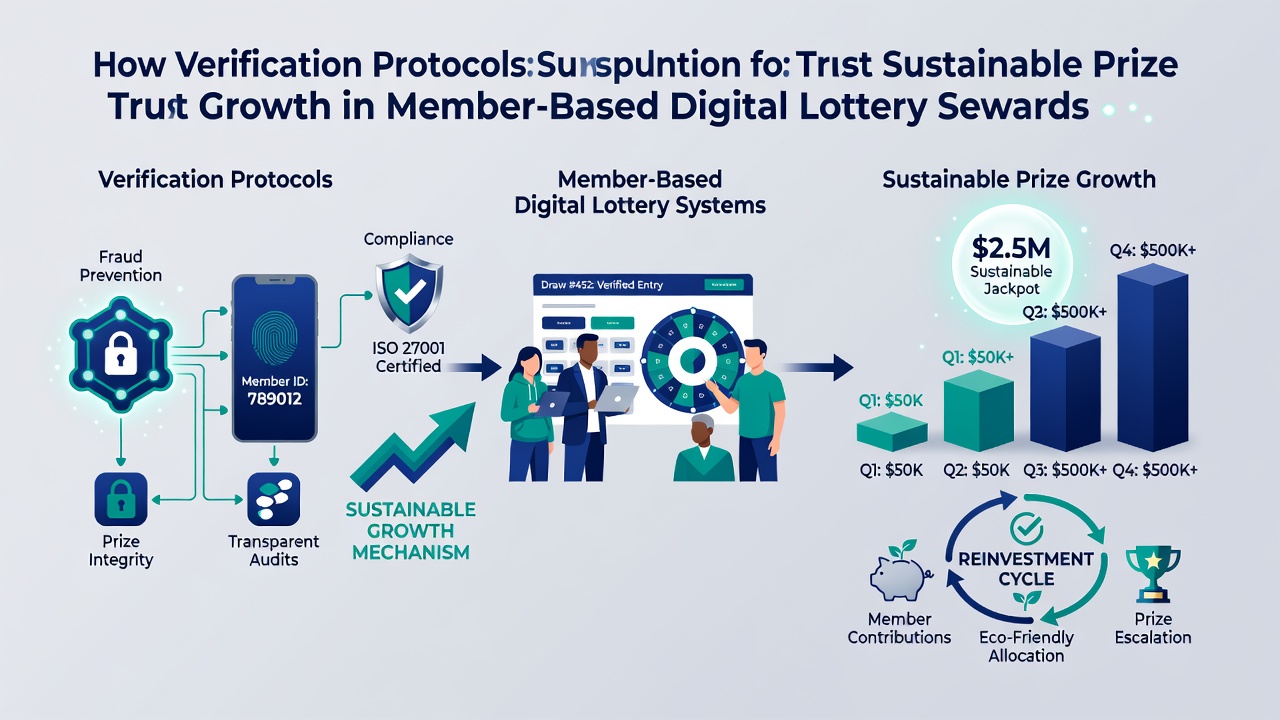
Collective engagement rises when participants know their entries count toward shared rewards that verification protects from fraud, and this dynamic creates self-reinforcing cycles where bigger verified pools attract further members. Platforms often segment verified users into tiers based on activity and verification depth, which unlocks bonus entries or multiplier effects on prize eligibility without introducing unverified accounts that could undermine the model.
Technology Integration Supporting Long-Term Prize Viability
Blockchain-based verification ledgers and AI-driven anomaly detection now supplement traditional methods, and these tools flag suspicious patterns before they affect prize calculations. Observers tracking October 2026 updates report several platforms adopting decentralized identity solutions that speed up onboarding while maintaining regulatory compliance across borders. Such advancements lower barriers for new members yet maintain the gatekeeping function that keeps prize funds intact and growing.
Integration with payment processors further strengthens the system because verified accounts link directly to approved funding sources, which reduces failed transactions and ensures consistent prize contributions. Studies from gaming research institutions show these linkages correlate with smoother jackpot progressions since revenue predictability improves planning for larger draw events.
Conclusion
Verification protocols ultimately anchor sustainable prize growth by establishing trust, enforcing eligibility, and enabling scale without introducing risks that erode pool values. As digital lottery systems expand through 2026 and beyond, the continued refinement of these checks will determine how effectively member networks can support ever-larger rewards while meeting oversight requirements from bodies such as the New Jersey Division of Gaming Enforcement and the Australian Gambling Research Centre. The result is a framework where verified participation directly fuels long-term jackpot viability across regulated platforms.