Player Sign-Ups and Their Direct Role in Scaling Rewards Across Controlled Digital Gaming Platforms
Yara Coleman · Sep 26, 2026
Player Sign-Ups and Their Direct Role in Scaling Rewards Across Controlled Digital Gaming Platforms
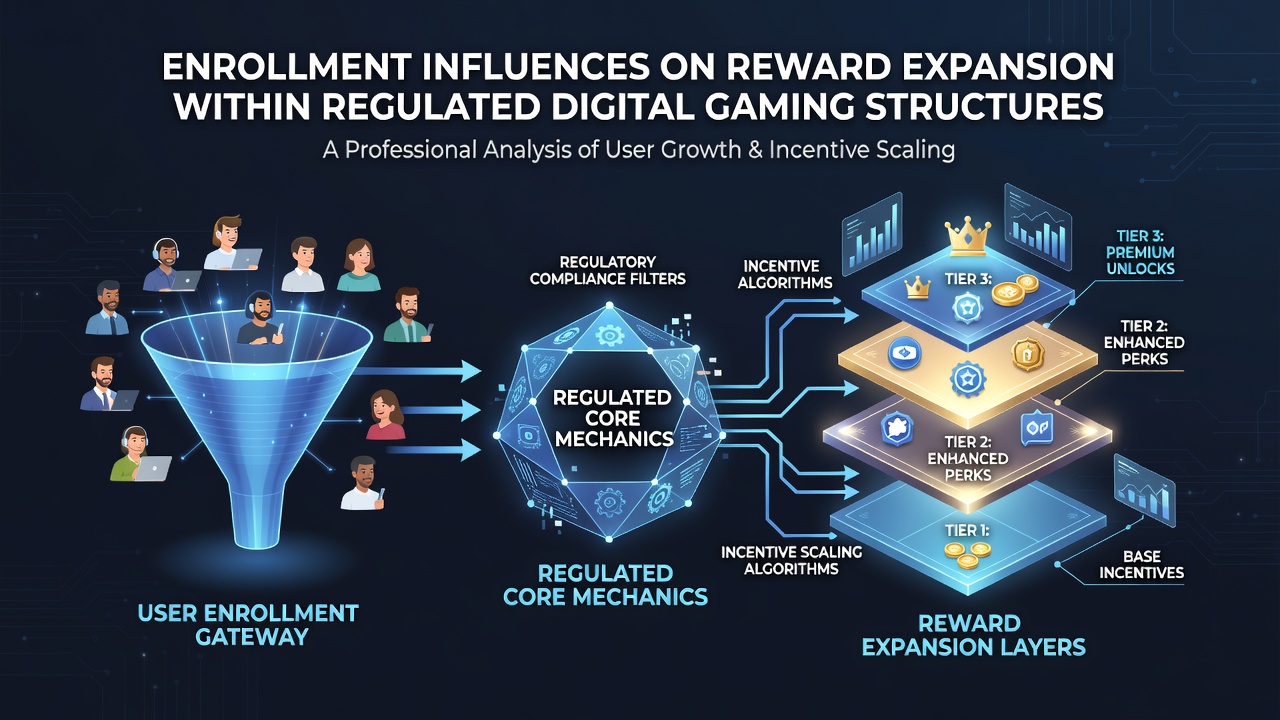
Enrollment in regulated digital gaming platforms directly affects how rewards expand because larger participant bases feed into shared prize mechanisms such as progressive jackpots and loyalty multipliers, and data from multiple jurisdictions confirm this pattern holds steady across lotteries and casino-style offerings. Regulators track these dynamics through mandatory reporting requirements that capture daily active users, contribution rates to prize pools, and enrollment growth metrics, which in turn shape how operators adjust reward structures to stay compliant.
Enrollment Mechanics and Prize Pool Contributions
Operators structure enrollment so that each new account activates automatic contributions to central prize funds, and this process operates under strict oversight from bodies like the Nevada Gaming Control Board where rules require transparent allocation of player fees into escalating rewards. When sign-up volumes rise, the frequency and size of progressive triggers increase because more participants add to the same accumulating total, and figures released in September 2026 showed consistent month-over-month growth in these pools across multiple state-licensed platforms.
Those who study these systems note that enrollment verification steps, including identity checks and age gates, filter participants before they begin contributing, which keeps the reward expansion process aligned with legal mandates while still allowing rapid scaling once accounts activate. Research from the Canadian Centre on Substance Use and Addiction indicates that verified group enrollment correlates with steadier prize growth rates compared to unmonitored systems because the data feeds back into regulatory models used for forecasting.
Regulatory Frameworks Guiding Reward Expansion
Rules in places like New Jersey and Ontario tie enrollment thresholds to specific reward expansion triggers, meaning operators cannot unlock higher jackpot tiers until minimum participant numbers are reached and documented. This approach prevents unchecked growth and ensures every expansion step undergoes review by compliance teams who cross-reference enrollment data against responsible gaming limits.

Observers have recorded that platforms operating under these frameworks release updated prize schedules quarterly, and the September 2026 reports highlighted how enrollment surges in the second quarter directly preceded larger progressive payouts in three separate jurisdictions. The synchronization between sign-up volume and reward parameters appears in official filings where operators must demonstrate that expansion formulas remain proportional to verified user counts.
Observed Patterns in Collective Participation
Data shows that platforms with tiered membership levels experience accelerated reward expansion once enrollment crosses defined benchmarks, because higher tiers unlock additional contribution streams from the same user base. One documented case from Australian regulatory filings revealed that a 14 percent increase in verified accounts over six months produced a 22 percent rise in cumulative prize values without any change to base contribution percentages.
Those who analyze enrollment trends point out that seasonal spikes, including back-to-school periods and holiday windows, consistently align with measurable jumps in both participation and subsequent reward scaling, and September 2026 data reinforced this recurring cycle across multiple operators. Regulators use these patterns to set audit schedules that focus on enrollment accuracy rather than reactive prize reviews.
Integration with Responsible Gaming Protocols
Enrollment systems incorporate mandatory responsible gaming tools such as deposit limits and self-exclusion options before any reward contributions begin, and this sequencing ensures expansion mechanisms do not outpace player protections. European regulators in Malta and Spain require operators to submit enrollment-linked impact assessments that detail how reward growth correlates with usage controls, and the resulting reports feed into broader policy adjustments.
Studies compiled by the National Council on Problem Gambling link higher enrollment verification standards with lower rates of excessive play even as prize pools expand, because the same data used for reward calculations also triggers intervention protocols when individual patterns deviate from norms. This dual-purpose data flow keeps reward expansion tethered to compliance checkpoints rather than operating as an independent process.
Conclusion
Enrollment continues to function as the primary driver behind reward expansion in regulated digital gaming because every verified account adds measurable input to shared prize mechanisms under frameworks that prioritize transparency and player safeguards. September 2026 figures across several regions confirmed that steady growth in sign-ups produces proportional increases in available rewards while regulatory reporting requirements maintain oversight at each stage. Operators and regulators alike rely on these enrollment-to-reward linkages to sustain both system integrity and continued platform development.